When embarking on the preparation of a recipe, the accuracy of liquid ingredient measurements is crucial for culinary success. A small mistake can turn a creamy sauce into a runny soup or a moist dessert into a dry pastry. Knowing the tips for measuring liquids correctly becomes essential.
Between measuring cups, graduated spoons, and electronic scales, each tool has its own specifics. Adopting the right practices ensures perfect dosing, avoiding approximations that can compromise the final result. Accurate conversions of measurement units, such as milliliters to ounces, facilitate the execution of international recipes, allowing you to enjoy dishes from around the world without error.
The essential tools for measuring liquid ingredients
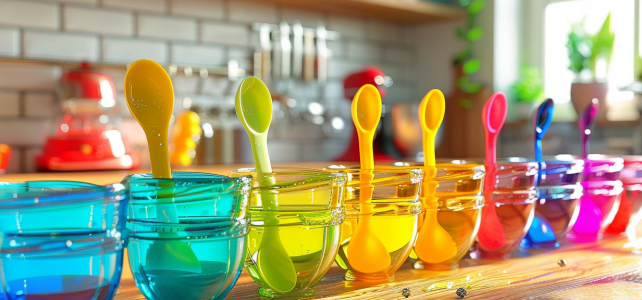
To measure liquid ingredients accurately, various kitchen utensils prove indispensable. Here is a list of the most commonly used:
– Teaspoon: ideal for small quantities, a teaspoon is equivalent to 5 ml (0.5 cl). It is useful for measuring liquids like vanilla extracts or culinary essential oils.
– Tablespoon: for slightly larger measurements, a tablespoon represents 15 ml (1.5 cl). This utensil is often used for sauces or dressings, where precision is key.
– Cup: often used for American recipes, it contains 10cL in mL, or 100 ml. This measurement is particularly handy for liquids like milk or coffee, which are frequently used in cooking.
– Tea cup: a standard tea cup holds 200 ml (20 cl). It is commonly used for measuring larger volumes of liquids, such as broths or fruit juices.
For even more precise measurements, three tools stand out:
– Kitchen scale: uses weight conversions to measure liquids, particularly useful for dense ingredients like honey or syrup. A kitchen scale allows for an accurate measurement in grams, often necessary for baking recipes.
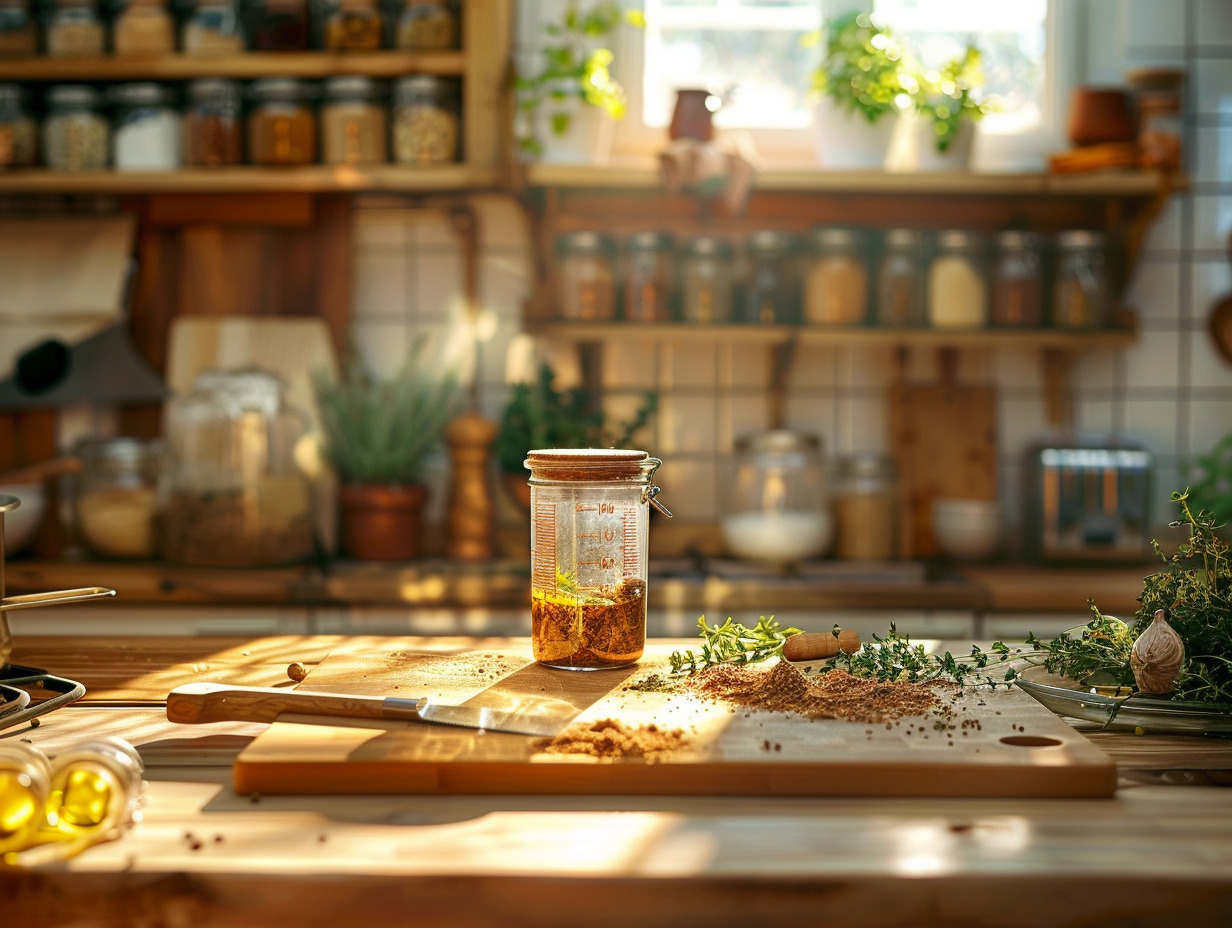
– Measuring jug: graduated in milliliters and centiliters, it allows for quick and precise measurement of liquids. The measuring jug is essential for amateur and professional cooks looking to avoid dosing errors.
– Graduated carafe: often used for large quantities, it facilitates the measurement of several liters of liquid. The graduated carafe is ideal for preparations requiring large amounts of water or broth, such as soups and stews.
These tools, in addition to their precision, offer versatility that adapts to the different requirements of culinary recipes. Mastering these instruments ensures optimal results in the kitchen.
Techniques and tips for accurate measurements
Use the right measuring techniques
To ensure accurate measurements, adopt certain practices when preparing your dishes. Here are some recommendations:
- Stabilize your utensils: when using a measuring jug or graduated carafe, place them on a flat and stable surface. This avoids errors due to tilting.
- Use the right tool: each type of liquid requires a specific utensil. For example, oils are best measured with a tablespoon, while water requires a measuring jug.
- Fill correctly: for small quantities, fill the spoon to the brim without overflowing. For larger quantities, ensure that the liquid reaches the appropriate measurement line without going over.
Optimize conversions
Conversions are often necessary to adapt recipes. Here are some useful equivalents:
- 1 teaspoon = 5 ml
- 1 tablespoon = 15 ml
- 1 cup = 100 ml
- 1 tea cup = 200 ml
Consider the density of liquids
The density of liquids can vary, influencing the accuracy of measurements. Here are some examples of common densities:
| Liquid | Density (g/ml) |
|---|---|
| Water | 1 |
| Olive oil | 0.92 |
| Honey | 1.42 |
Consider these variations to adjust your measurements based on the liquid used. Precision is essential for successfully executing your recipes and ensuring balanced flavors.