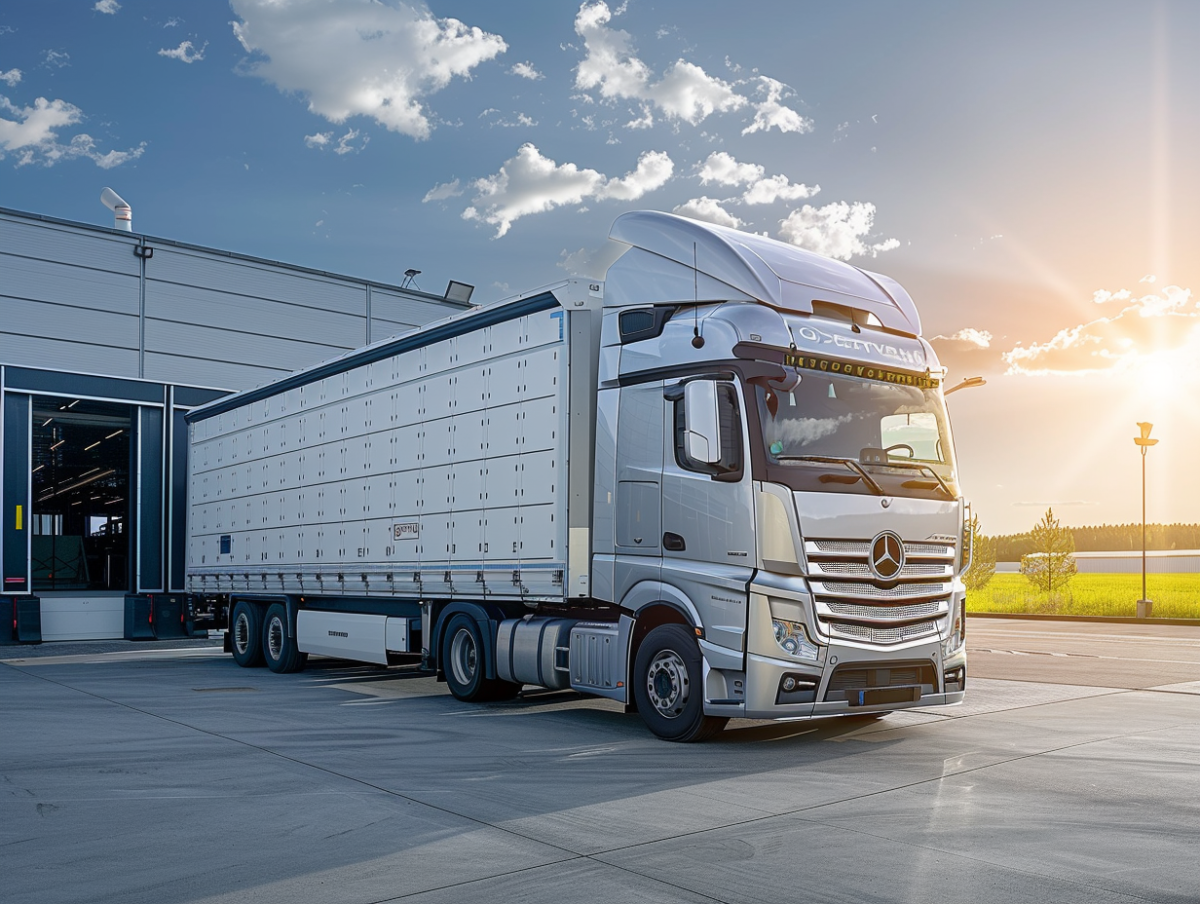
In a world where operating costs continue to rise and the environmental impact of human activities is closely scrutinized, optimizing the energy efficiency of refrigerated transport vehicles has become a priority. For logistics companies and independent carriers, reducing fuel consumption while maintaining the cold chain has become a daily challenge. Fortunately, proven strategies and emerging technological innovations offer pathways to improve the performance of refrigerated trucks, thereby ensuring product freshness, reducing emissions, and optimizing operational costs.
Energy Optimization Strategies for Refrigerated Transport
Maximize the payload of refrigerated vehicles. The difference between the Maximum Technically Permissible Mass and the Empty Weight represents the payload capacity that must be used sparingly. Optimal payload management not only meets the demands of the ever-growing global cold logistics market, which is subject to legislative and environmental constraints, but also significantly reduces fuel consumption. The relationship between payload and the logistics market is therefore strategic: a well-calculated and distributed load equates to optimized trips and a lower environmental impact.
Minimize energy consumption of the refrigerated truck at rest. Prolonged parking with a refrigeration unit running leads to unnecessary fuel consumption. Strategies such as installing solar panels on truck roofs to maintain internal temperature or using autonomous electric refrigeration units can help reduce this energy expenditure. These alternatives represent considerable savings in the long term, thus reducing the carbon footprint of refrigerated transport.
Monitor market trends and anticipate changes. The global cold logistics market, estimated to grow from €6.3 billion in 2018 to €10 billion in 2025 for France, is an indicator of evolving needs and available technologies. Technological and regulatory monitoring becomes an essential tool for fleet management, allowing practices to be adapted and investments to be made wisely in energy optimization solutions suited to future market demands.

Advanced Technologies and Practices for Better Energy Performance
Adopt best practices for payload optimization. The efficiency of loading refrigerated vehicles is a significant performance lever. Use advanced techniques such as 3D loading modeling or onboard weighing systems to maximize space and weight in your trucks. Precision in payload optimization promotes a significant reduction in fuel consumption, directly impacting operational costs and the environmental footprint of refrigerated transport.
Integrate alternative energies into your refrigerated fleet. In the search for sustainable solutions, renewable energies are at the forefront. Transitioning to refrigeration units powered by alternative sources such as solar, hydrogen, or electric represents a major advancement. These technologies, by reducing the fuel consumption of refrigerated trucks, align with a future-oriented approach focused on environmental preservation.
The refrigeration unit, at the heart of technological innovation. This key component of refrigerated vehicles is the focus of attention when it comes to energy performance. Technological innovations, often showcased at international trade shows such as Solutrans, aim to improve the energy efficiency of this equipment. Advances in this area directly influence fuel consumption, with increasingly sophisticated and less energy-intensive systems.
Monitor the real impact of fuel consumption. Data confirms it: a refrigeration unit for a semi-trailer can consume more than 35,000 liters of fuel over a period of 7 years. Rigorous management and modernization of equipment are therefore essential to control this energy expenditure. Operational efficiency relies on a deep understanding of the influence of refrigeration units on fuel consumption and targeted investments in state-of-the-art equipment.