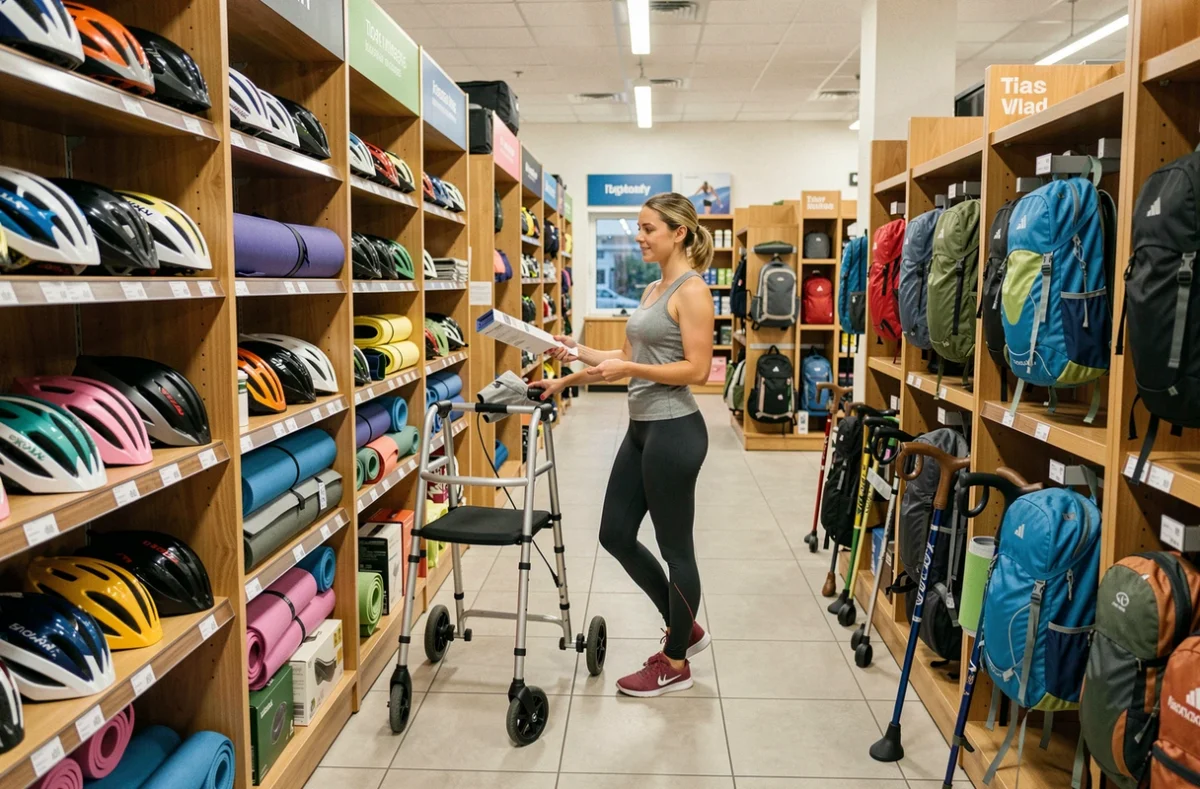
The market for sports equipment, leisure accessories, and mobility solutions has fragmented among generalist brands, online pure players, and second-hand circuits. Finding the right product at the right price requires navigating through dozens of catalogs, often without knowing if the item meets current standards or if it can be returned at the end of its life. This context is driving an increasing number of buyers to seek platforms capable of consolidating these sectors.
Return obligations and REP sector: what governs the sale of sports items
Since 2023, the French extended producer responsibility (REP) sector dedicated to sports and leisure items has imposed concrete obligations on sellers. The free return of used equipment applies to certain stores and remote sellers depending on their size or revenue.
This obligation covers a wide range: bicycles, non-electric scooters, fitness equipment, and many accessories. However, few consumers are aware of this sector at the time of purchase. The online catalogs of major retailers almost never display return procedures on their product sheets.
For buyers looking to centralize their searches for sports equipment, clothing, shoes, or bicycles, specialized platforms now aggregate several product universes in one space, as can be seen on https://yakar.fr/, which brings together sports equipment, leisure, and mobility.
The question remains open: do these return obligations truly benefit the end consumer, or are they merely an administrative device whose impact is primarily measured in the tonnage collected by eco-organisms?
Used helmets and protective gear: the limits of reuse in sports equipment
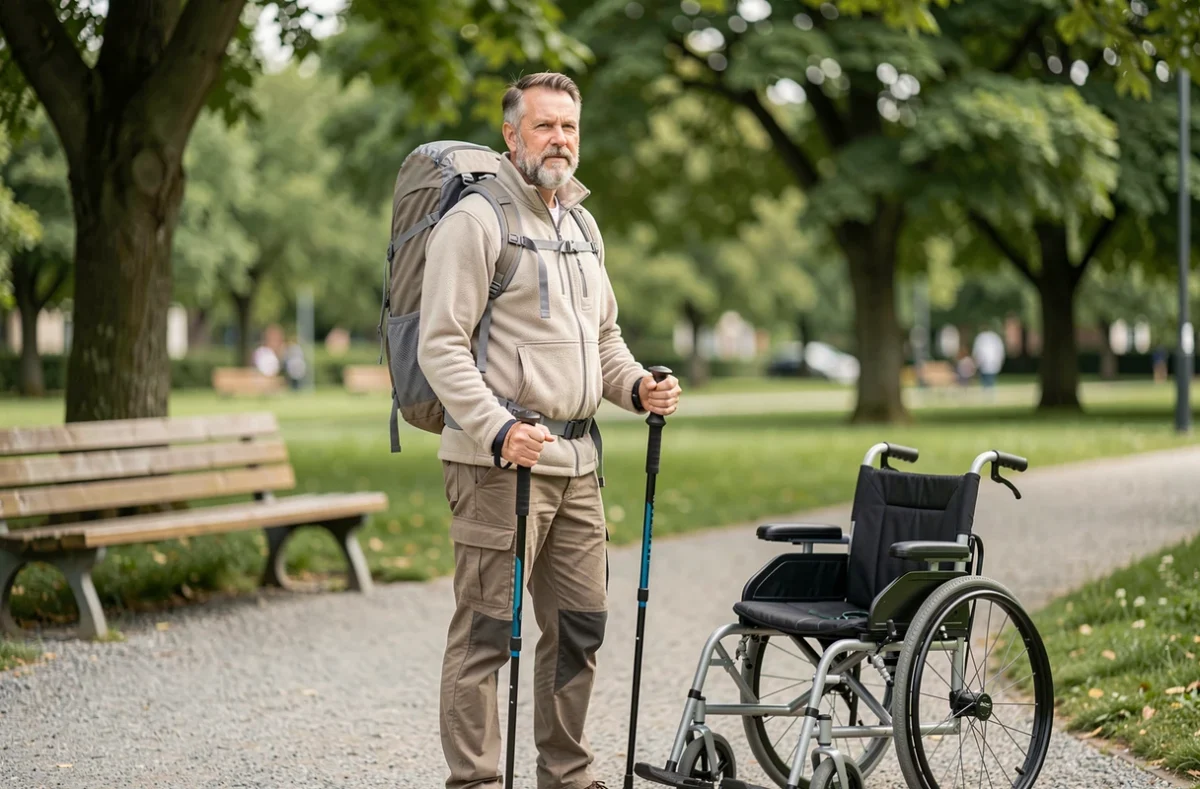
Reuse is gaining ground in sports. The Recyclerie Sportive, active notably in Grenoble, documents a real demand for maintenance, repair, and second-hand purchases. Field reports diverge on one specific point: the safety of individual protective gear resold between individuals.
A used bicycle helmet should not be resold or given away as second-hand equipment. A previous impact may have damaged the internal structure (expanded polystyrene, polycarbonate shell) without leaving a visible trace. Personal protective equipment is therefore excluded from ordinary reuse and must be directed towards an appropriate collection sector.
This constraint extends to back protectors, hard-shell knee pads, and impact vests used in water or equestrian sports. The available data does not allow for quantifying the share of damaged helmets circulating on public resale platforms, but the health risk is documented by the manufacturers themselves.
What can be reused without structural risk
- Technical clothing (running, hiking, fitness) retains its properties as long as the membranes and seams remain intact, which can be visually verified
- Weight training equipment (dumbbells, bars, benches) holds up well in the second-hand market, as their wear is primarily aesthetic
- Leisure accessories without protective function (bags, water bottles, walking sticks) can change owners without special precautions
Conversely, any item whose primary function is to absorb an impact should be considered consumable, not a durable reusable good.
Scooters and mobility devices: a tightening regulatory framework
The mobility section of sports catalogs now includes scooters, hoverboards, and segways. Controls are tightening and helmets are becoming mandatory for several categories of motorized personal transport devices. In Loire-Atlantique, wearing a helmet and vest has been mandatory for electric scooters since September 2026.
For the buyer, this means that the actual budget for a scooter includes mandatory accessories (certified helmet, reflective vest) whose cost does not always appear in the displayed price. Complete equipment for a child using an electric scooter includes the helmet, joint protections, and compliant lighting.
Check compliance before purchase
Personal transport devices sold online do not all go through the same control circuits. A product imported without CE marking or instructions in French poses a warranty and insurance issue. In the event of an accident, the lack of compliance may lead to a denial of compensation.
Platforms that centralize the offer in mobility, sports, and leisure have a filtering role to play in this regard. Aggregating products is not enough: the buyer must also be able to quickly identify the applicable certifications for each category.
Children’s sports equipment: size, safety, and frequent renewal
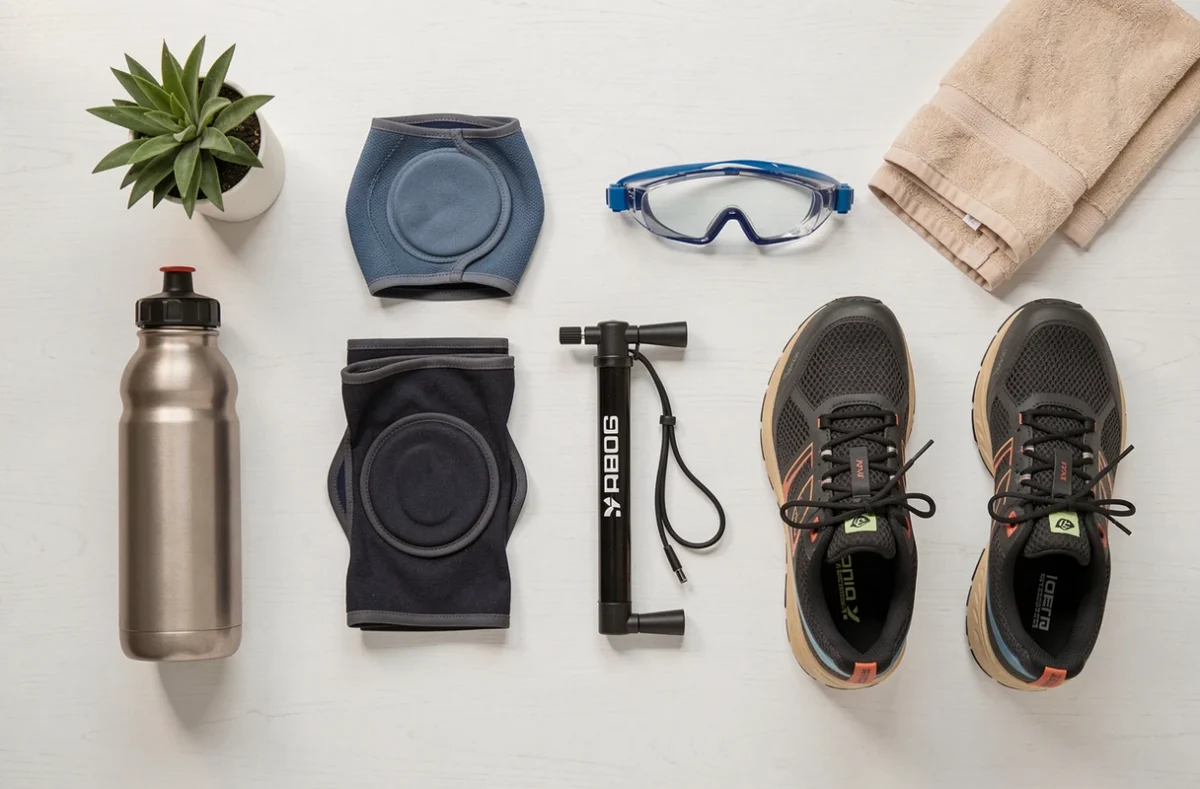
Children’s sports equipment poses a specific problem: growth requires renewal every one to two years for running shoes, bicycles, skis, and protective gear. This replacement rhythm drives families towards mixed solutions, between new and second-hand.
Brands like Decathlon have structured a return and resale offer for certain categories (children’s bicycles, scooters). Generalist online catalogs, on the other hand, often mix adult and children’s sizes without appropriate ergonomic filtering.
- A children’s bicycle must correspond to the measured inseam, not to a marketing age range. A difference of a few centimeters changes posture and safety
- Children’s football or hiking shoes wear out differently depending on the terrain, and the soles lose their grip faster than those of adult models
- Children’s technical clothing (ski, fitness) must be checked for seams and closures before reuse, as mechanical stresses are often more severe than for adults
Centralizing these categories on the same platform facilitates comparison, provided that sorting by size and discipline is precise enough to avoid purchasing errors.
The market for sports equipment, leisure, and mobility remains difficult to grasp in its entirety. Between regulatory return obligations, the limits of reuse on protections, and the tightening of standards for mobility devices, the buyer needs structured access to information as much as to the product.
Platforms that manage to combine a wide catalog, filtering by use, and transparency on compliance will meet a demand that simple product sheet aggregators do not yet cover.