In some jurisdictions, the legal status of an animal can vary from mere property to that of a “living being endowed with sensitivity.” Some domestic species live longer in captivity than in the wild, contrary to a common belief about animal freedom.
Achieving harmonious coexistence between species, or even between animals and humans, relies not only on instinct or goodwill but on a deep understanding of their specific needs, which are often overlooked or misunderstood. Behavioral differences between breeds or species are not just clichés but are the result of a complex adaptation to their environment, diet, and lifestyle.
Understanding Animal Diversity: Between Fascinating Species and Fundamental Needs
The diversity of the animal kingdom remains one of the greatest witnesses to nature’s inventiveness. Each species develops its own way of surviving, interacting, and evolving. Take the lizard: this small reptile, familiar in our gardens, can shed its tail to escape a predator and regenerate it later. Autotomy, far from being a mere magic trick, is the result of millennia of adaptation to threats. At the other end of the spectrum, the leopard, a discreet feline, prefers solitude and the heights of trees, where it hides its prey. The lion, on the other hand, embodies the strength of the group and collective strategy: hunting becomes a matter of cooperation, hierarchy, and shared learning.
Through wildlife, we observe an infinite palette of behaviors: the solidarity of the wolf that lives and hunts in packs, the silence of the lynx that prowls the underbrush, invisible and patient. In the waters, the manatee fights for its survival, a victim of habitat destruction. As for otters, their fragile presence in rivers reminds us of the direct impact of our daily actions: waste left on the banks, dogs not kept on leashes, excessive noise… all threats that are sometimes invisible but very real.
Here are a few species that illustrate the complexity of these balances:
- Lemurs, primates from Madagascar, see their population decline due to trafficking and deforestation.
- The loris, discreet and nocturnal, particularly suffers from stress and disturbances caused by humans.
- The langoustine, prized for its meat, raises questions about fishing methods and sustainable management of marine resources.
For those who wish to deepen their knowledge of wildlife, the site animaltime.net offers a comprehensive overview: news on endangered species, field surveys, conservation reports, as well as practical sheets and expert insights. Understanding, observing, transmitting: these three axes structure the content, with the aim of linking individual action to the major challenges of biodiversity.
What Essential Actions for Your Pet’s Well-Being on a Daily Basis?
Caring for a pet is much more than providing food and shelter. It involves decoding their signals, anticipating their needs, and creating an environment that promotes flourishing and limits stress. A cat does not settle for a full bowl: it needs hiding spots, elevated spaces, opportunities to climb, observe, and play. A dog, on the other hand, needs regular walks, social interactions, varied learning experiences, not to mention careful socialization from a young age.
Some simple reflexes make all the difference in daily life:
- Keep an eye on your companions during walks: a curious dog or cat can disturb wildlife, whether it be lizards, otters, or ground-nesting birds.
- Pick up all your litter during nature outings: preserving the cleanliness of environments protects both domestic animals and local species.
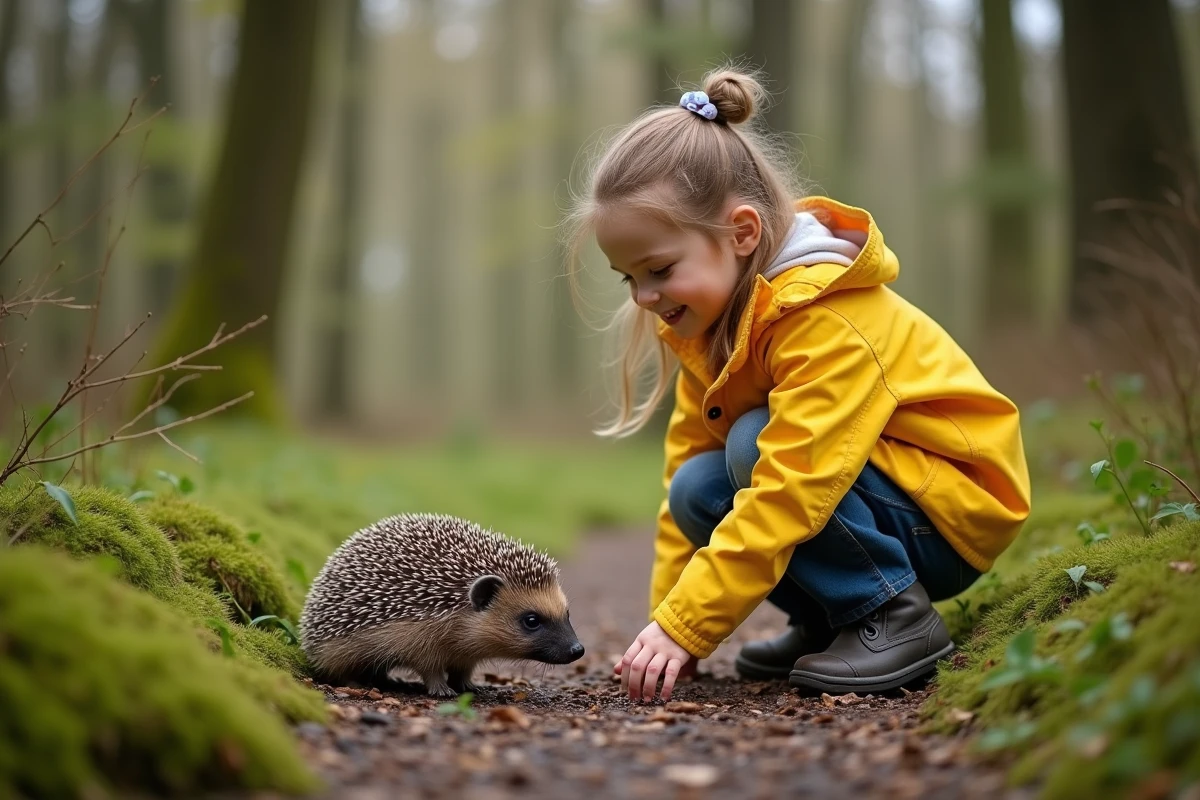
- If you find an injured wild animal (lizard, bird, hedgehog…), report it to a specialized wildlife protection organization.
Observation remains the key to harmonious coexistence. Children, by learning to look without touching, build a respectful relationship and discover the richness of biodiversity. The guides published on animaltime.net offer practical advice: how to arrange your garden to welcome wildlife, manage a dog’s stress in the city, or promote coexistence between species. Living with an animal means taking on the responsibility of one’s actions: every gesture, even seemingly trivial, can strengthen or weaken the balance that connects us to wildlife.
Responsible Adoption, Positive Education: Towards a Harmonious Relationship Between Humans and Animals
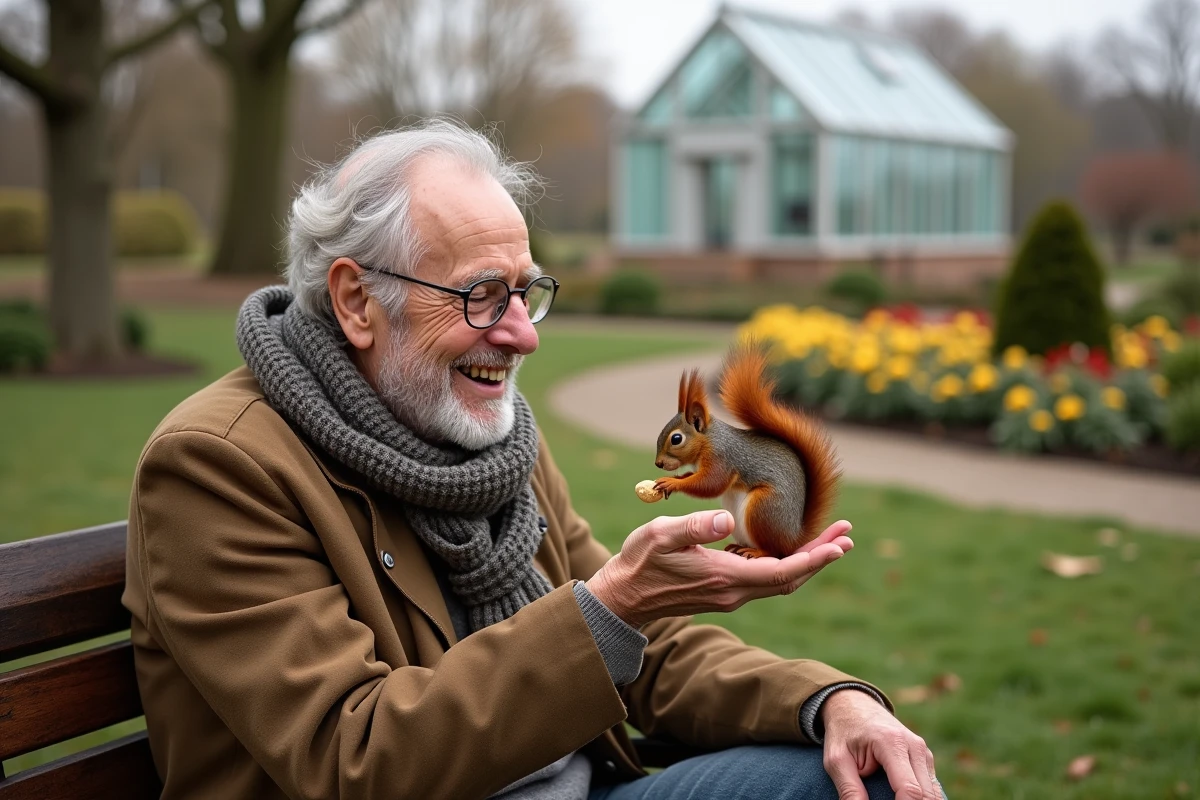
Adoption is not limited to a crush or a simple form filled out at a shelter. Welcoming an animal means committing for the long term, anticipating its needs, adjusting daily life, and sometimes giving up habits to provide an appropriate living environment. True enthusiasts know this: every adoption involves reflection on space, time, and the ability to respond to the uniqueness of an individual, whether it be a dog, cat, or exotic bird.
Positive education is changing the game today. This method relies on understanding behavior, valuing successes, and attentively listening to the signals sent by the animal. No more constraints or arbitrary punishments: it’s all about cooperation, patience, and trust. In the Moreau family, for example, children learn to observe without disturbing the garden lizard, developing a deep respect for living beings from an early age. This kind of experience, far from being trivial, shapes future relationships with animals and lays the groundwork for peaceful coexistence.
Some concrete actions promote this harmony:
- Family-led awareness contributes to protecting vulnerable species, whether it be the lemur from Madagascar or the otter from French rivers.
- Adapting your garden, installing shelters, banning chemical products: these initiatives encourage the return of biodiversity and allow for observing wildlife without disturbing it.
The resources offered on www.animaltime.net show how education, at the heart of the home, changes the perspective on the animal world. This bond, built day by day, nurtures curiosity, a sense of observation, and commitment to animal welfare. The relationship between humans and animals is thus written in the daily details and the attention given to each life.
Opening the door to animals also means opening up to a different way of inhabiting the planet. Everyday actions, those that seem insignificant, outline a shared trajectory: that of a future where animal diversity will no longer be a luxury but a shared reality.