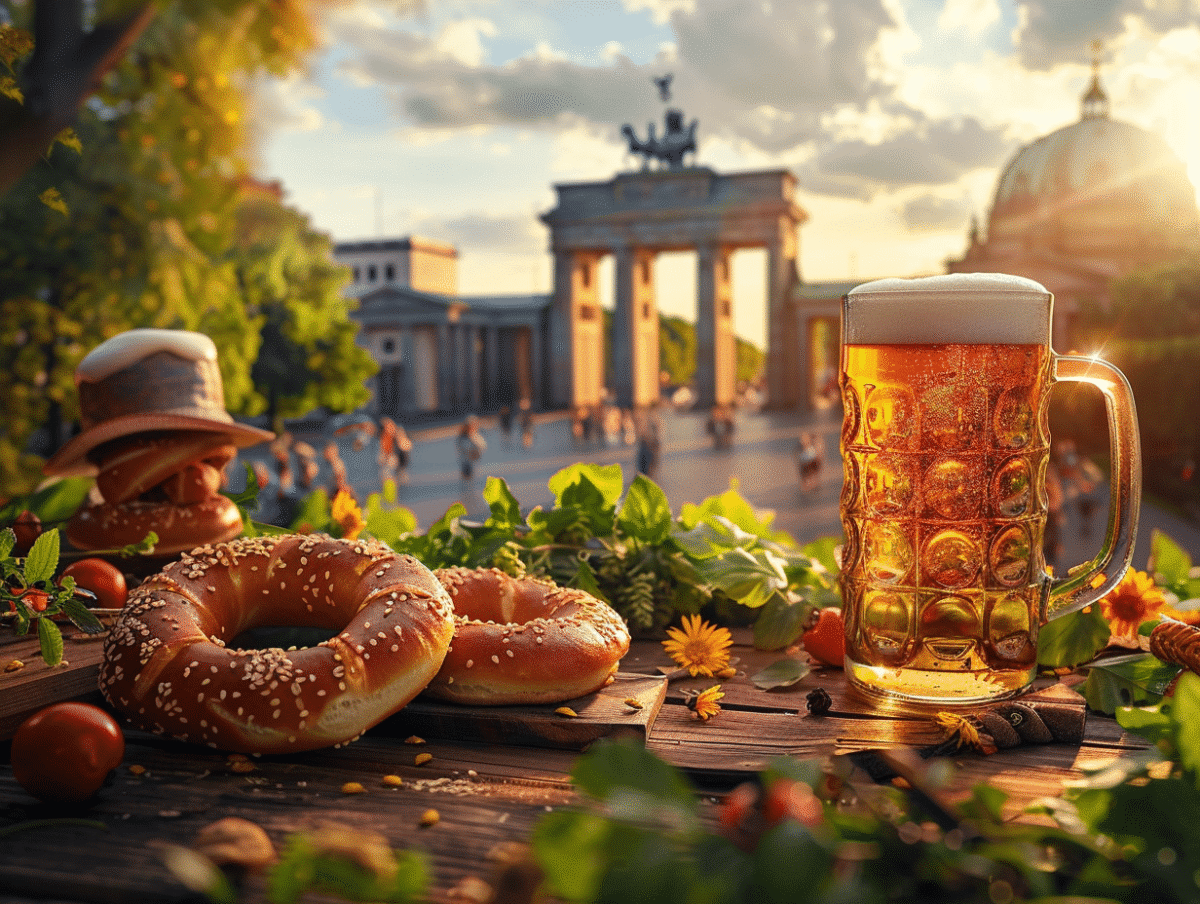
Planning a trip to Germany requires careful preparation, especially when considering the holiday periods that can vary from region to region. School holidays, national holidays, and regional festivals play a fundamental role in tourist influx, accommodation availability, and attendance at popular attractions. Anticipating these periods allows you to avoid crowds, take advantage of better rates, and attend typical local events. It’s also an opportunity to experience the country like the locals, immersing yourself in traditions and discovering Germany in an authentic light.
Optimizing holidays in Germany: public holidays and school vacations
The public holidays in Germany in 2023 are a key element for optimizing holidays. Each federal state has its own configuration of non-working days, with specifics such as Bavaria, Baden-Württemberg, and Saxony-Anhalt celebrating holidays not observed in the rest of the country. For example, only Augsburg marks the Peace of Augsburg Day. Consider these regional peculiarities to effectively plan your presence at local events or to avoid potentially crowded areas during these festive days.
Regarding school holidays in Germany, fragmentation is also present. The Sommerferien (summer holidays), Herbstferien (autumn holidays), and Weihnachtsferien (Christmas holidays) are staggered across the different states. For the school year 2023/2024, each state determines its own dates, requiring special attention when preparing your stay to avoid periods of high tourist traffic or, conversely, to seize the opportunity to experience authentic cultural events during these peak times for German families.
The legal framework for paid leave in Germany prescribes a minimum of 24 working days per year, which influences the vacation departure periods of residents. These days can sometimes be carried over until March of the following year, providing flexibility that can affect the distribution of tourist flows in the first quarter. Follow these trends to anticipate the most opportune moments to visit Germany, whether to enjoy a quieter atmosphere or to meet locals during relaxation periods.
The holiday periods, particularly the Sommerferien, Herbstferien, and Weihnachtsferien, are peak times of the year when Germans frequently travel, whether within the country or abroad. Knowing them allows you not only to immerse yourself in the festive atmosphere that accompanies them but also to find less busy periods for those seeking a more peaceful experience. Meticulous planning of your stay in Germany, taking these periods into account, will offer you a more enriching and tailored experience.
Planning strategies: making the most of bridge days and off-peak periods
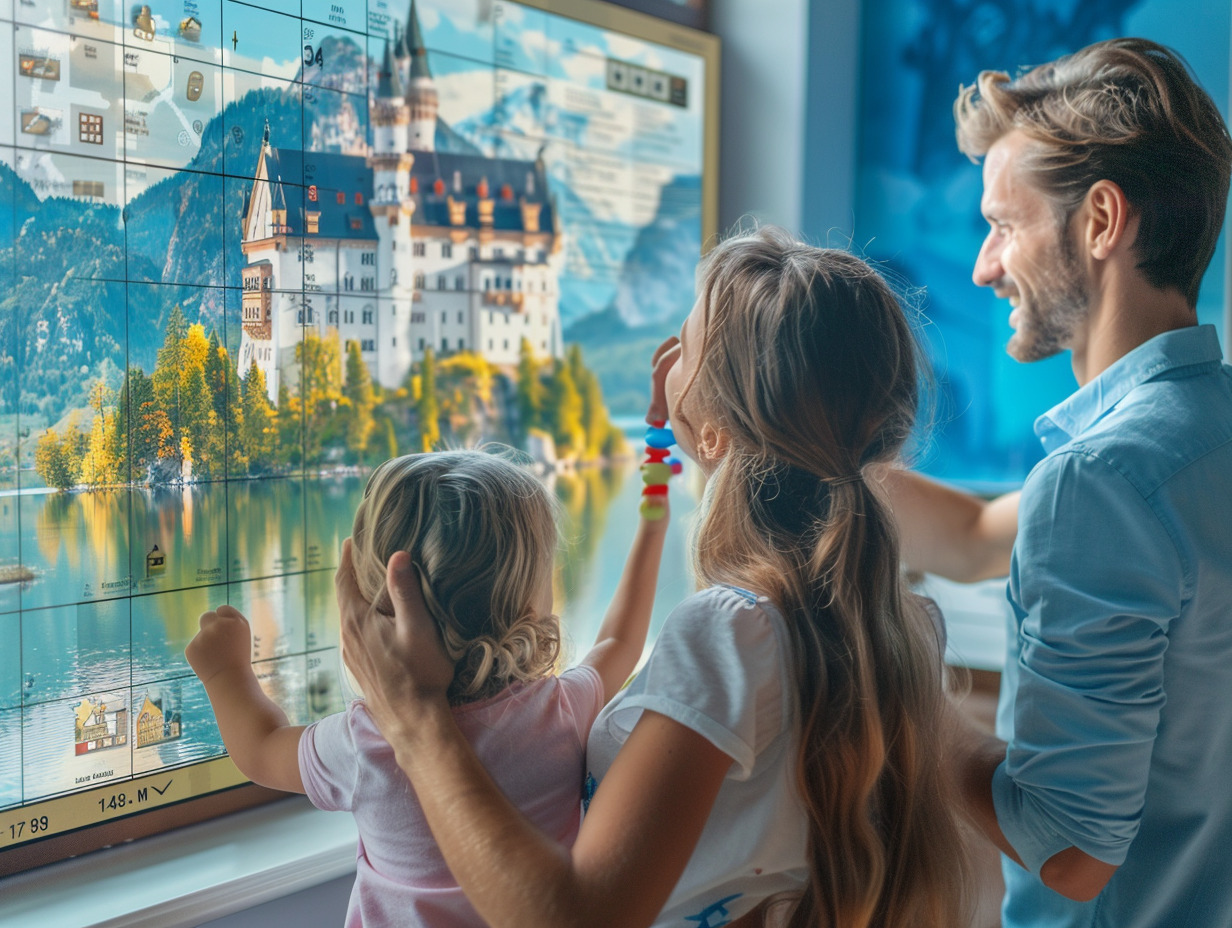
Mastering bridge days, those moments when public holidays coincide with weekends, can transform a short getaway into a true immersion without overly tapping into vacation capital. In Germany, the conjunction of regional public holidays with weekends offers opportunities to extend stays. Take, for example, German Unity Day, a national holiday celebrated on October 3rd: when it falls close to a weekend, it paves the way for mini-vacations. Savvy travelers scrutinize the calendar, spot these potential bridges, and book early to benefit from favorable rates and lower crowds.
Off-peak periods are golden intervals for those wishing to explore Germany away from tourist hustle. Transition months like May or September, often marked by mild weather and moderate attendance, are ideal for those seeking tranquility and authentic contact with local culture. These moments, when the hustle and bustle of the Sommerferien or Weihnachtsferien fades, allow you to enjoy points of interest and historic cities in a relaxed atmosphere.
For effective travel preparation, knowledge of the official language, German, and the currency, the Euro, is essential. Learning a few common phrases or mastering the basics of the language will facilitate your immersion and enrich your interactions. Similarly, although most establishments accept card payments, having local currency remains a necessity in some less urbanized areas. Prepare to navigate smoothly through daily life in Germany for a seamless and enriching experience.
The best time for your trip to Germany will depend on your priorities: cultural events, tranquility, budget, or weather conditions. Analyze the various variables, such as bridge days and off-peak periods, and align them with your travel goals. Meticulous preparation is the key to a successful trip, allowing you to make the most of what Germany has to offer while respecting your personal constraints and aspirations.